Working Principle and Core Technology of Water Softening Equipment
Water softening equipment serves as the core component of industrial water treatment systems. Its primary function is to efficiently remove calcium and magnesium ions from water through ion exchange technology, thereby reducing water hardness and preventing equipment scaling and pipeline corrosion. The system comprises a fully automated control valve, resin tank (fiberglass/stainless steel), strong acid cation exchange resin, salt tank, and intelligent control system, enabling fully automated management from raw water intake to softened water production.
I. Working Principle: Ion Exchange and Intelligent Regeneration
1. Ion Exchange Process
Raw water entering the resin tank undergoes an ion exchange reaction where calcium (Ca²⁺) and magnesium (Mg²⁺) ions replace sodium ions (Na⁺) in the resin: 2RNa + Ca²⁺ → R₂Ca + 2Na⁺ This process adsorbs hardness ions onto the resin, producing softened water with hardness ≤0.03 mmol/L. This water is suitable for direct use in boiler systems or industrial cooling circuits.
2. Regeneration Cycle Technology
When resin saturation occurs, the system automatically initiates the regeneration process:
Backwash: Water flows upward through the resin bed (5-15 minutes) to remove trapped impurities;
Salt Regeneration: An internal ejector draws brine into the resin tank, where sodium ions replace calcium and magnesium ions (approximately 30 minutes), with salt consumption ≤100g/mol; Rinse Stage: Combines slow rinsing (removing residual ions) and fast rinsing (thoroughly eliminating salt) to ensure the resin regains its exchange capacity.
II. Core Parameters and Performance Advantages
Industrial water softening equipment employs a modular design, comprising five core components that collaborate to achieve fully automated processing from feedwater to treated water:
Fully Automatic Control Valve: The equipment's “control hub,” responsible for switching between ion exchange, backwash, regeneration, and rinse modes. Supports dual-mode control (time/flow) to precisely adjust operation rhythms based on actual water demand, eliminating manual supervision.
Resin Tank: The core reaction vessel, available in two materials—fiberglass and stainless steel. Fiberglass tanks offer superior corrosion resistance and lightweight construction, suitable for standard industrial environments. Stainless steel tanks provide excellent pressure resistance, compatible with high-temperature and high-pressure conditions. Both are internally filled with strong acid cation exchange resin, serving as the core medium for ion exchange reactions.
Strong Acid Sodium Ion Resin: The “core medium” for ion exchange. Its functional groups release sodium ions (Na⁺), which replace calcium and magnesium ions in raw water through a displacement reaction, achieving adsorption and removal of hardness ions. Resin performance directly determines the device's softening efficiency and service life.
Salt Tank: Stores industrial salt for regeneration. An internal injector pumps brine into the resin tank, supplying sodium ions for resin regeneration. Tank capacity is scaled to the unit's processing volume, ensuring continuous and stable regeneration.
Intelligent Control System: Integrates water quality monitoring, operational status feedback, and alarm notifications. Select premium models support remote monitoring, enabling real-time viewing of output water hardness, regeneration cycles, and brine levels. Monitoring intervals are flexibly adjustable between 2-120 minutes to ensure water quality safety.
III. Industrial Application Value
This water softening system significantly reduces maintenance costs through precise regeneration control and efficient ion exchange:
Extended Equipment Lifespan: Completely eliminates corrosion risks from scale buildup in boilers and heat exchangers, boosting thermal efficiency by 15%-25%.
Energy Savings & Reduced Consumption: Achieves 20% lower salt consumption than industry standards, supports brine recycling, and minimizes wastewater discharge.
Intelligent Management: Optional hardness detection alarm system (monitoring cycle 2–120 minutes) ensures real-time water quality safety.
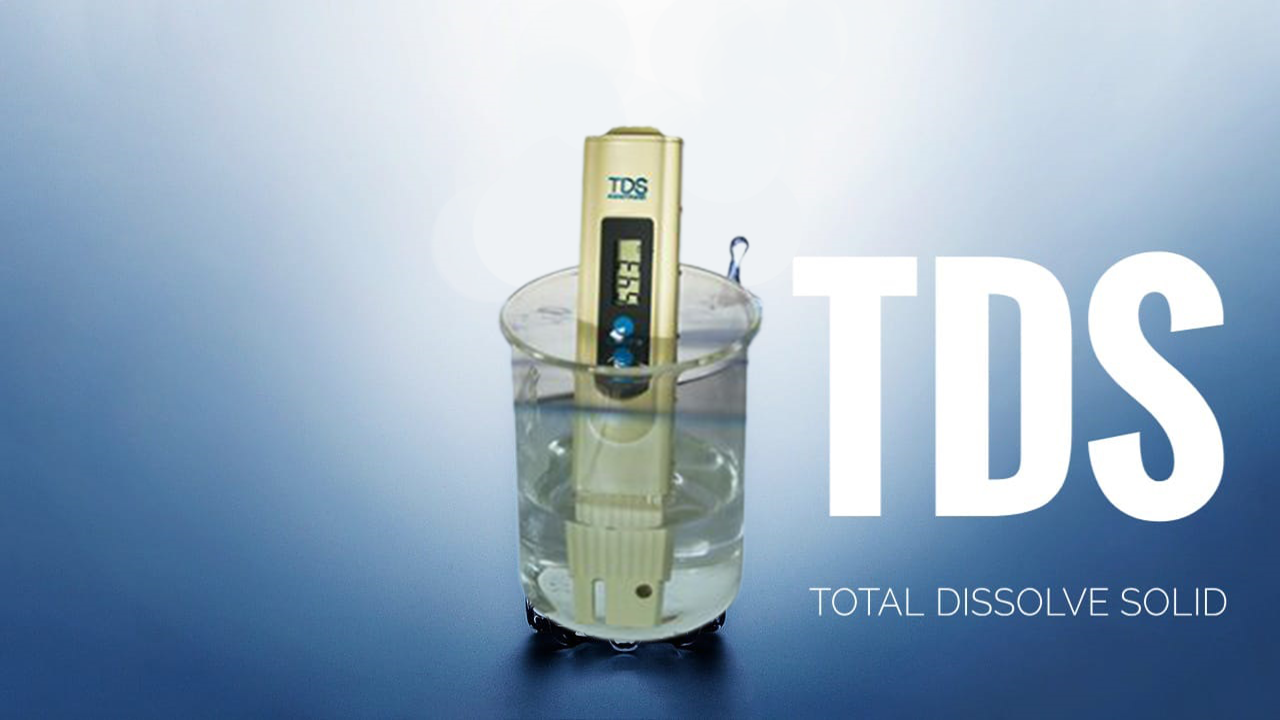 Understanding TDS in Water Filters: A Comprehensive Guide
 Understanding the Full Water Treatment Process in One Minute
 Why Do We Recommend Drinking Directly from the Tap?
 Are anti-fouling membranes inherently durable? How to clean anti-fouling membranes for minor contamination