Reverse osmosis membrane performance decline is mainly due to the membrane surface contamination, such as surface fouling, membrane surface clogging; or membrane itself caused by physical and chemical changes. Physical changes are mainly due to the compaction effect caused by the membrane permeability decline; chemical changes are mainly due to pH fluctuations caused by, such as cellulose acetate membrane hydrolysis; free chlorine will also deteriorate the performance of aromatic polyamide membrane. As the main reason for reverse osmosis membrane contamination clogging is caused by membrane surface deposition and microbial growth. Among them, microorganisms not only block the membrane, and the cellulose acetate has erosion damage.
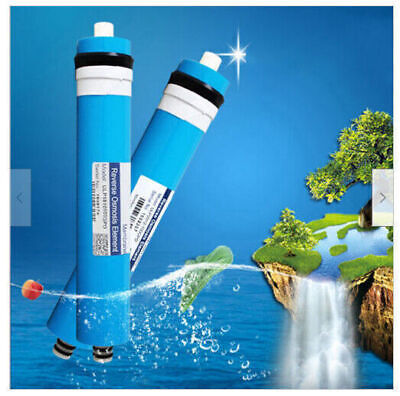
Reverse osmosis membrane pore size is very small, so it can effectively remove dissolved salts, colloids, microorganisms, organic matter in water. The system has the advantages of good water quality, low energy consumption, no pollution, simple process, easy to operate. The principle is higher than the osmotic pressure of the solution under the action of other substances can not pass through the semi-permeable membrane and these substances and water to leave.
In the process of use, in addition to the normal decline in performance, due to pollution caused by the equipment performance of the more serious attenuation. Usual pollution is mainly chemical scale, organic matter and colloidal pollution, microbial pollution. Different contaminants show different symptoms. Different membrane companies proposed by the symptoms of membrane contamination is also a certain difference.
Good maintenance, help to extend the service life of reverse osmosis membrane
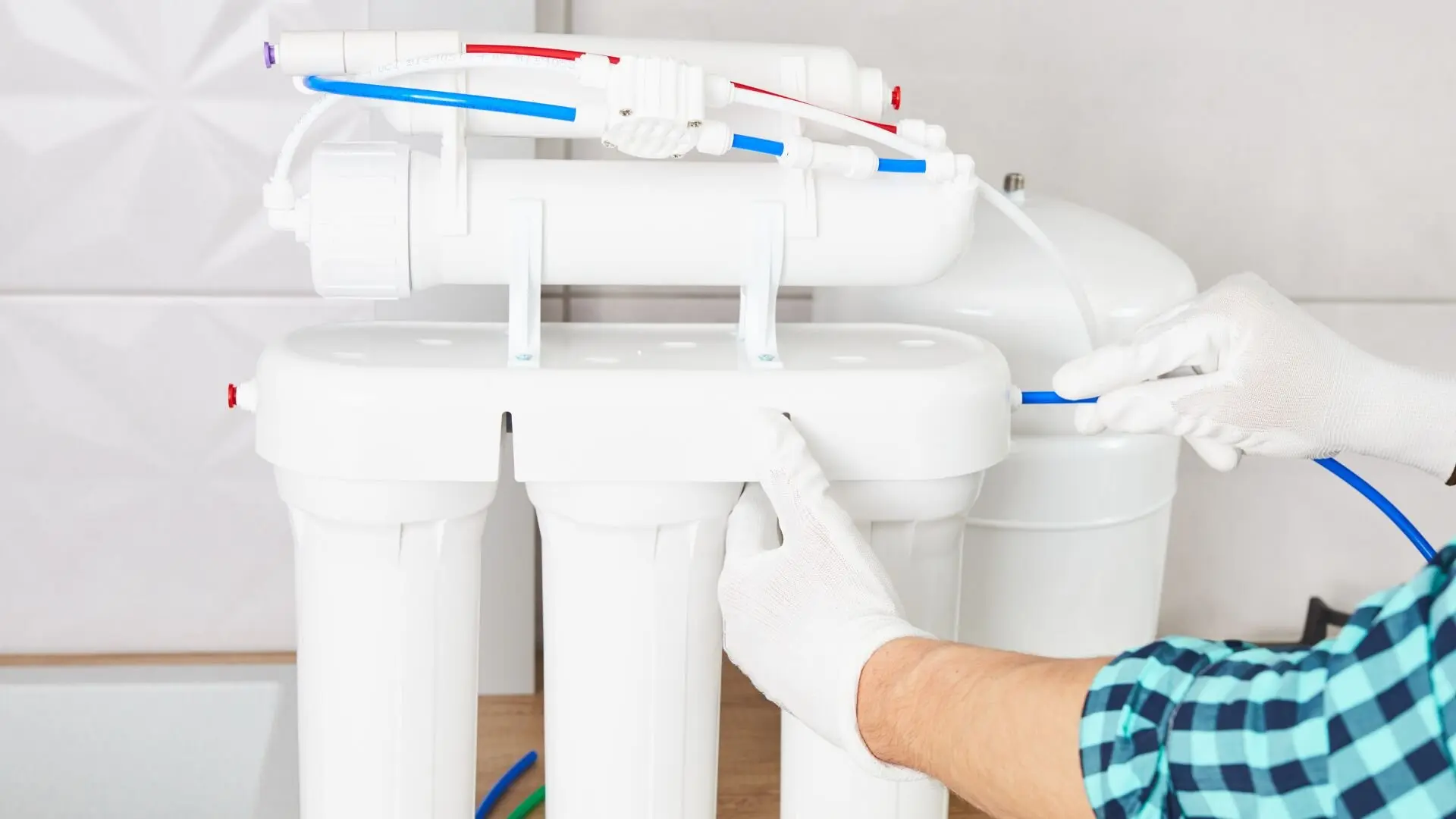
After the equipment test run, we two methods to protect reverse osmosis membrane. Equipment trial run for two days (15 ~ 24h), and then use 2% formaldehyde solution maintenance; or run 2 ~ 6h, with 1% of the NaHSO3 water solution for maintenance of reverse osmosis membrane (should exhaust the air in the pipeline of the equipment to ensure that the equipment does not leak, close all the import and export valve). Both methods can get satisfactory results, the first method is more costly, in the long idle time to use, the second method of maintenance of reverse osmosis membrane in the idle time is shorter to use.
Storage conditions for reverse osmosis membrane elements
New membranes (before use)
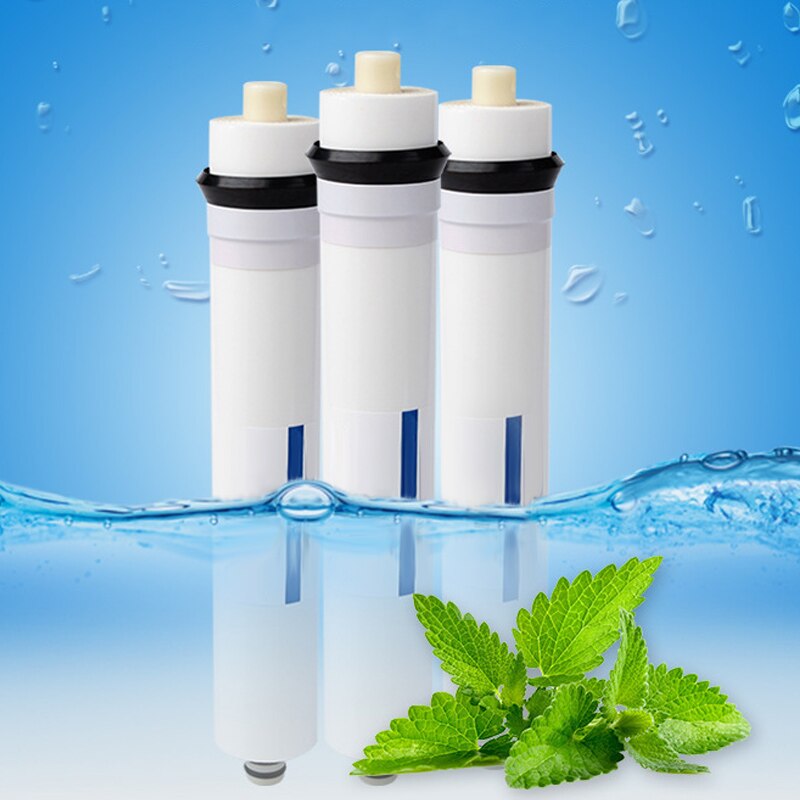
1) Membrane elements must be kept wet at all times. Even if it is necessary to open it temporarily in order to confirm the quantity of the same package, it must be in a state that does not pierce the plastic bag, and this state should be preserved until the time of use.
(2) Avoid direct sunlight and choose a well-ventilated place when storing in an atmosphere of more than 10℃. In this case, do not store at a temperature exceeding 35℃.
3) Physical breakage will occur if freezing occurs, so take thermal insulation measures and do not allow it to freeze.
Membrane element after water is energized

1) Membrane elements must be kept in a dark place at all times, at a storage temperature not exceeding 35°C, and out of direct sunlight.
2) When the temperature is below 0℃, there is a possibility of freezing, and anti-freezing measures should be taken.
3) The composite series membrane element should be immersed in pure water or reverse osmosis filtered water containing chemicals (sodium bisulfite, 500 to 1000mg/L, pH 3 to 6).
(4) When preservation is carried out under any circumstances, the membrane should not be left in a dry state.
5) The concentration and pH value of the preservation solution should be kept within the above range and should be checked periodically. If there is a possibility of deviation from the above ranges, make up the preservation solution again.

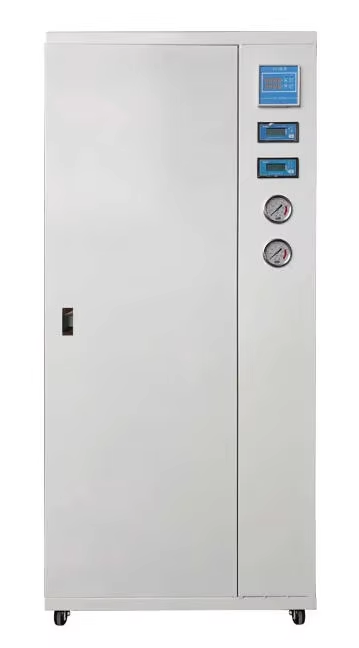 Analysis of the Structure and Working Principle of Ultrapure Water Equipment
 Tips for Using Home Water Purifier Filter Cartridges
 The Battle of Four Membranes: Microfiltration, Ultrafiltration, Nanofiltration, Reverse Osmosis—Which Reigns Supreme in Water Purification?
 Don't Pay for Stupidity! The Ultimate 2026 Water Purifier Guide: Selection, Pitfalls, and Maintenance All in One Article