Don't Pay for Stupidity! The Ultimate 2026 Water Purifier Guide: Selection, Pitfalls, and Maintenance All in One Article
Waking up to foul-smelling tap water, kettles caked with thick scale, or occasional murky water from the faucet... The tap water we rely on daily may harbor hidden dangers.
While tap water meets standards when leaving treatment plants, prolonged pipeline transport and secondary contamination from aging reservoirs can introduce silt, rust, residual chlorine, heavy metals, and even bacteria. Boiling water kills bacteria but fails to remove scale or heavy metals—making water purifiers a household necessity.
Yet the market is flooded with brands, and terms like RO reverse osmosis, ultrafiltration, and nanofiltration can be confusing. Claims like “lifetime filter replacement-free” or “mineral enrichment” are hard to verify. This guide breaks it all down—from comparing models and selection tips to pitfall avoidance and daily maintenance—so you can choose a practical option without overspending and avoid 90% of the hidden costs.
I. What Are the Key Differences Among the 4 Main Types of Water Purifiers?
The core difference lies in filtration precision. Different models suit different water qualities and needs—choosing based on your requirements prevents wasteful spending. Here’s a clear breakdown of key information:
1. Pre-filter (Primary Filtration)
Filtration precision: 50-100 microns. Acts as the “first line of defense” for your entire household water supply, primarily intercepting large particles like sediment, rust, and insect eggs. Its core function is to protect appliances like washing machines, water heaters, and point-of-use purifiers, extending their lifespan.
Advantages: No filter cartridge replacement required, lifetime maintenance-free, affordable at just a few hundred yuan.
Disadvantages: Limited filtration precision; cannot remove bacteria or heavy metals; not suitable for direct drinking.
Ideal for: Residential areas or older homes with relatively turbid water quality, serving as a front-end complement to whole-house water purification systems.
2. Ultrafiltration Water Purifier (UF)
Filtration precision increases to 0.01-0.1 microns, removing sediment, bacteria, and suspended solids while retaining minerals. No electricity required, produces no wastewater, with filter cartridge lifespan of 1-2 years. Moderately priced, with units costing 1000-3000 yuan.
Disadvantages: Cannot remove scale or heavy metals; not recommended for areas with hard water.
Suitable Scenarios: Regions with good tap water quality (TDS < 100) and no heavy metal contamination, ideal for households requiring mineral retention.
3. Reverse Osmosis (RO) Water Purifier
The most prevalent model today, featuring filtration precision down to 0.0001 microns—equivalent to one-millionth the diameter of a human hair. It removes nearly all impurities, including bacteria, heavy metals, scale, and pesticide residues, producing pure water suitable for direct consumption.
Advantages: Thorough filtration, pleasant taste, resolves most water quality issues, ideal for households with infants or elderly members. Disadvantages: Requires electricity, produces wastewater (typically at a ratio of 1:1 to 1:3), necessitates regular filter replacement, and carries a higher price point of 2000-5000 RMB.
Suitable Scenarios: Ideal for areas with hard water (high limescale) or elevated heavy metal risks (e.g., industrial zones, older urban districts), making it the top choice for northern households.
4. Nanofiltration (NF) Water Purifier
Offers filtration precision between ultrafiltration and reverse osmosis, removing some heavy metals and scale while retaining partial minerals. Balances “purification” and “mineral content” needs. Lower wastewater ratio than RO systems, with taste resembling natural mineral water.
Disadvantages: Higher price (¥3,000–6,000), limited applicability.
Suitable for: Households with moderate water quality seeking to reduce scale buildup without completely stripping minerals.
II. 5-Step Selection Guide to Avoid Overspending
1. Test Water Quality Before Choosing a Model
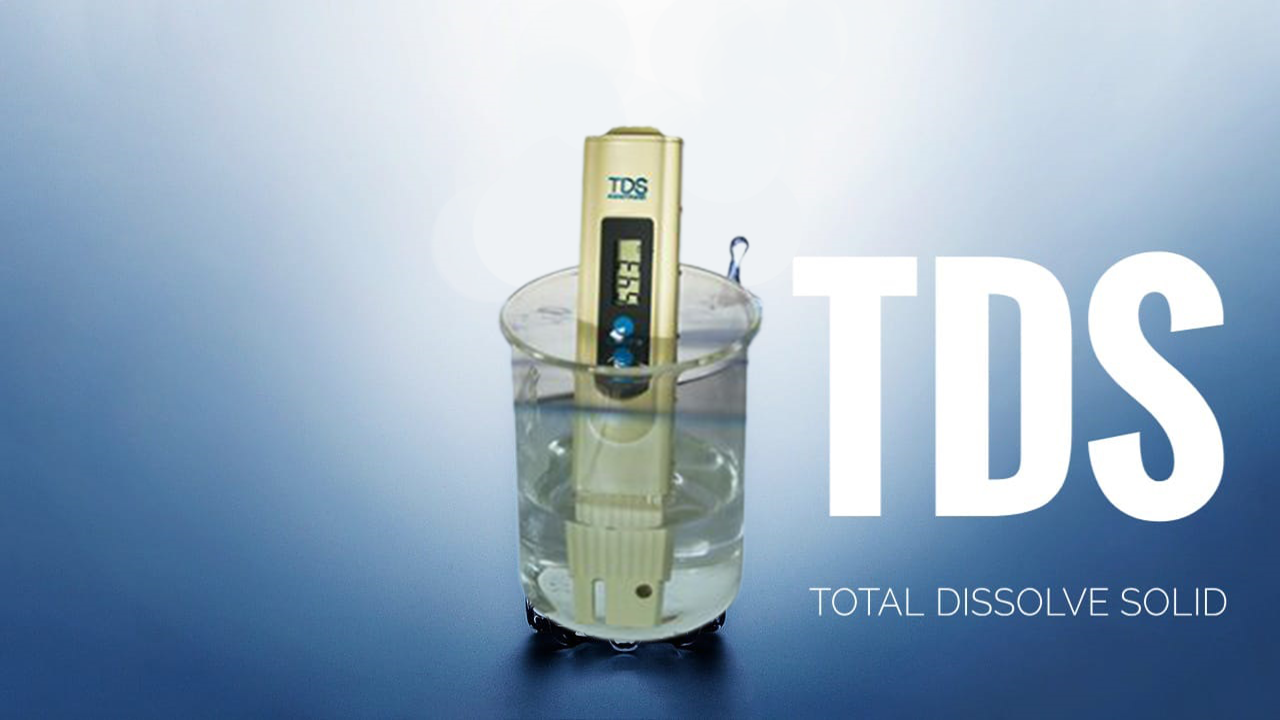
A TDS pen costing just a few dozen yuan allows self-testing. TDS values indicate total dissolved solids in water—higher readings signal greater risks of scale and heavy metals. TDS > 200: Opt for RO systems;
TDS < 100: Consider ultrafiltration systems.
Additionally:
- Industrial zones or mining areas: Prioritize heavy metal removal with RO systems.
- Mountainous regions with good water quality: Ultrafiltration systems may suffice.
2. Focus on Core Parameters to Avoid Misleading Claims
Rated Water Capacity: Higher values mean longer filter life. Recommend ≥4000L.
Wastewater ratio: Lower is better. Mainstream models offer 1:1, while premium units can reach 3:1. Excessively low ratios shorten RO membrane lifespan.
Flow rate: RO systems ≥1.5L/min, ultrafiltration ≥2L/min—eliminate long wait times for water.
Filter cartridge cost: Verify replacement prices upfront. Annual costs of ¥100–500 are reasonable; avoid “low-cost systems with high-cost replacements.”
3. Prioritize authoritative certifications; reject unbranded products
Domestically, the mandatory CCRC Drinking Water Safety Product Certification is essential. Internationally, prioritize NSF or WQA certifications. For brands, choose reputable options like Midea, Angel, Qinyuan, or Xiaomi with robust after-sales support, avoiding obscure brands with unreliable service.
Beware of “fake imported brands.” Verify trademark registrations and production locations via the National Intellectual Property Administration website to avoid overpriced rebranded products.
4. Select features based on needs, not marketing hype
Essential functions: Filter replacement alerts, zero-stagnant-water technology (prevents overnight TDS spikes and bacterial growth). Families with infants may opt for UV sterilization to prevent secondary contamination.
Nice-to-have features: App control and voice interaction add value but cost an extra ¥300-500 and are non-essential.
Water Tank Selection: Compact units or those prioritizing fresh water quality should choose tankless models (space-saving); high-volume users may opt for tanked models (faster flow).
5. Confirm installation and after-sales service to avoid pitfalls
Before installation, verify available outlets (required for RO systems), water inlet location, and cabinet space. Prioritize brands offering free installation, over 1-year warranty, and clarify installation fees, filter replacement cycles, and warranty duration.
III. 6 Common Scams + 4 Usage Misconceptions—Avoid These Pitfalls!
【Common Scams】
“Lifetime filter replacement-free”: An outright lie! Filters are consumables with limited adsorption capacity. Failure to replace them leads to bacterial leakage and contaminated water output.
“Free machine, pay only for filters”: A bundled consumption tactic. Over time, filter costs far exceed the new machine price, and filters may increase annually.
“Cures diseases, removes formaldehyde”: Violates advertising laws. Water purifiers only filter contaminants—no additional health benefits;
“Ultrafiltration + RO dual membranes = superior performance”: RO membranes already provide deep filtration; this claim is purely marketing hype;
“Lower wastewater ratio is always better”: Ignores filtration effectiveness. Optimal range is 1:1–1:2; excessively low ratios shorten RO membrane lifespan;
“On-site water testing claims toxicity”: Induces anxiety. Self-test with a TDS pen; consult CDC or third-party labs for heavy metal concerns.
【Usage Misconceptions】
Failing to replace filters equates to using a “dirty water machine”:
- Replace RO membrane every 1-3 years
- Replace ultrafiltration membrane every 6-12 months
- Replace pre-filter every 3-6 months
Neglecting replacement reduces filtration efficiency and fosters bacterial growth.
Drinking directly after prolonged disuse: After trips exceeding 3 days, flush the system for 5-10 minutes to expel stagnant water. Use the system at least weekly.
Wastewater neglect: RO wastewater can be repurposed for mopping, flushing toilets, or watering plants. Install a recycling port during setup.
Installing only an end-of-line filter: In areas with poor water quality, use a “pre-filter + end-of-line filter” combination to extend the end-of-line filter cartridge's lifespan.
IV. Addressing 2 Common Concerns to Ease Drinking Water Anxiety
Concern 1: Does long-term consumption of RO purified water cause mineral deficiency?
No! 99% of essential minerals like calcium, iron, and zinc come from food (milk, vegetables, meat). Mineral content in water is negligible. Prioritizing removal of heavy metals and bacteria over mineral content is crucial for health.
Question 2: Do more expensive filters or more filtration stages guarantee better performance?
Not necessarily! Filter quality hinges on material integrity and compatibility. Domestic RO membranes like Huitong and Times Waterton meet international standards while costing 30%-50% less than imports. Adding multiple low-cost filter stages offers less benefit than a single high-quality RO membrane.
Final Thoughts
Drinking water is a lifelong commitment. The core logic of choosing a water purifier has never been “the more expensive, the better,” but rather “compatibility matters most.”
First, test your household water quality. Then, select a model based on your family's needs and budget. Pay close attention to certifications and filter cartridge costs, and perform regular maintenance. Only then can your water purifier truly deliver its benefits, providing your family with long-term health protection.
May everyone avoid paying unnecessary premiums and enjoy peace of mind with every sip.
 Working Principle and Core Technology of Water Softening Equipment
 Understanding TDS in Water Filters: A Comprehensive Guide
 Understanding the Full Water Treatment Process in One Minute
 Why Do We Recommend Drinking Directly from the Tap?