Do you know how to reduce the operating costs of RO reverse osmosis water treatment plants?
Hello everyone, today Susan to answer some questions about water treatment equipment for you, hope to be able to help you.
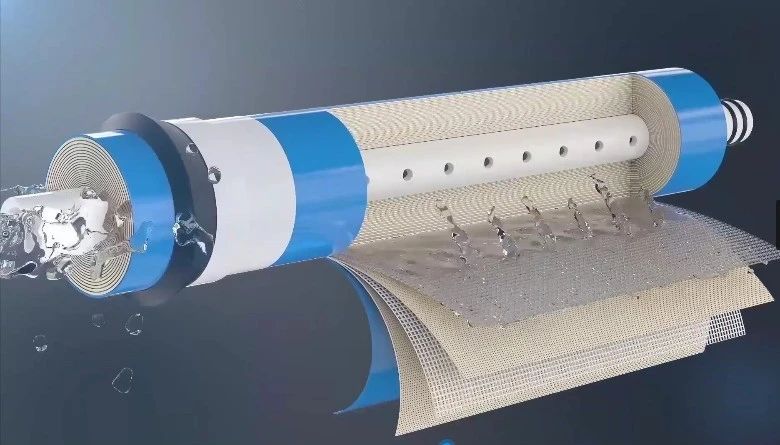
The principle of reverse osmosis technology is higher than the osmotic pressure of the solution, based on other substances can not pass through the semi-permeable membrane and these substances and water to leave.The membrane pore size of the reverse osmosis membrane is very small, so it can effectively remove dissolved salts, colloids, microorganisms, organic matter, etc. in water.RO system because there is a high-pressure pump, and need to add a special scale inhibitor, high operating costs.
How do we reduce the operating costs of the RO system?
 1. Select ultra-low pressure reverse osmosis membrane
Conventional reverse osmosis membrane operating pressure of 1.3 ~ 1.5 MPa, ultra-low-pressure reverse osmosis membrane operating pressure of about 0.8 MPa or even lower (closely related to the water temperature), can save more than 30% of power consumption.
For large-scale RO system, the basic membrane can offset more than 70% of the annual depreciation costs, savings are more significant.
 2. High-pressure pump with frequency converter
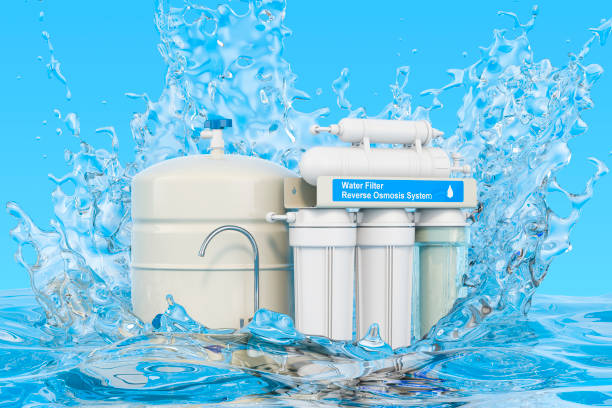
High-pressure pump with frequency converter can slow down the water hammer when the pump starts, but also by setting a reasonable operating pressure, reduce the valve throttling energy consumption, at least quarterly energy savings of more than 15% throughout the year.
 3. Reasonable calculation of scale inhibitor dosage
Through the analysis of water quality data, optimize the dosage of chemicals, usually save 20% or even higher costs of chemicals.
4. Appropriate increase in the number of membranes to reduce operating pressure
By appropriately increasing the membrane area, the operating pressure of the membrane can be reduced to a certain extent, reducing power consumption.
 5. Environment
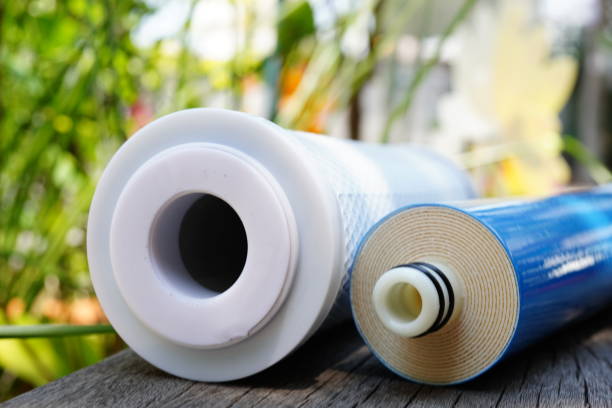
Water temperature higher than 45 ℃, will shorten the service life of the membrane.
Generally need to control the water temperature below 40 ℃, if necessary, take cooling measures. For RO system, wastewater contains strong oxidizing substances or easy to precipitate substances, will lead to shorten the membrane life cycle.
When designing the system, from its safety point of view, increase the pretreatment safety margin, add protective shutdown design, can avoid triggering such problems.
 6. Use anti-pollution reverse osmosis membrane
Anti-pollution membrane is developed for China's water quality, with high desalination rate, high water yield, high chemical durability, high anti-pollution and ultra-low-pressure operation of the reverse osmosis membrane elements, in the same water quality conditions, energy consumption can be reduced by 30% -40%, the membrane element is easier to clean, in order to effectively solve the increasingly stringent water pollution problems, while effectively reducing operating costs, to bring higher value for customers.
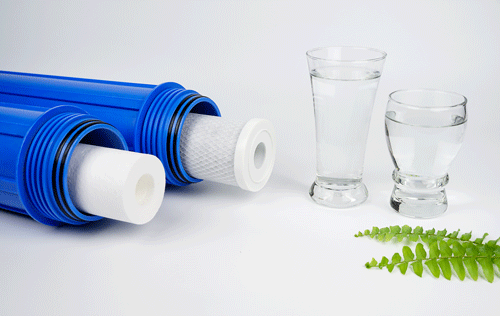 Generally speaking, the use of reverse osmosis membrane life of about 2-3 years, which is a normal phenomenon.
However, if there is improper operation, etc., it will shorten the service life of the membrane, and then shorten the service life of the direct drinking water equipment. The above is about the common sense of water treatment equipment, I hope it can help you, if you still want to know more about the common sense of water treatment in this regard, welcome to leave a message in the comment area, I will try to reply. If you find my article useful and want to watch more water treatment knowledge, please contact me in time. Thank you for reading and have a nice life!

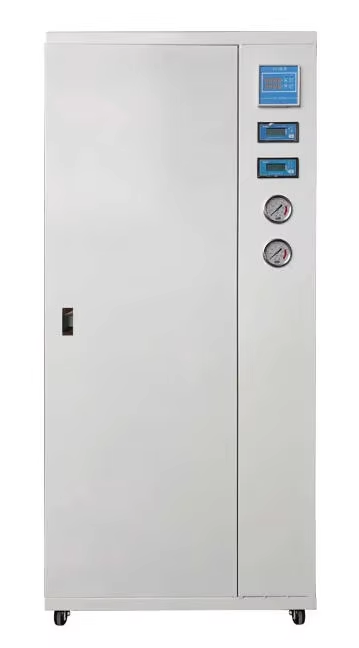 Analysis of the Structure and Working Principle of Ultrapure Water Equipment
 Tips for Using Home Water Purifier Filter Cartridges
 The Battle of Four Membranes: Microfiltration, Ultrafiltration, Nanofiltration, Reverse Osmosis—Which Reigns Supreme in Water Purification?
 Don't Pay for Stupidity! The Ultimate 2026 Water Purifier Guide: Selection, Pitfalls, and Maintenance All in One Article