Hello everyone, today Susan to answer some questions about water treatment equipment for you, I hope to be able to help you.
Reverse osmosis equipment is an important part of pure water equipment, purified water equipment, ultrapure water equipment, and also equipment system operation is more prone to problems.
The following are common reverse osmosis equipment problems and causes.

I. Equipment common faults and troubleshooting
1, low feed water pressure may be the cause:
(1) feed water flow rate is not appropriate;
(2) system leakage;
(3) high-pressure pump inlet water pressure is insufficient or pump leakage, air leakage;
(4) Precision filter cartridge fouling;
(5) High pressure pump failure.
2, high feed water pressure may be due to:
(1) high-pressure pump outlet door improperly adjusted;
(2) from the high-pressure pump to the reverse osmosis between the pipeline blockage;
(3) The thick water adjustment door is closed too tightly or clogged, and the thick water discharge flow is small;
(4) Recovery rate is too low.
3, the recovery rate is low may be due to:
(1) feed water flow rate is too high; (2) feed water pressure or concentration is low.
4、The reason for high recovery rate may be:
(1) the feed water pressure is too high; (2) the feed water flow rate is insufficient.
5, the high pressure drop at both ends of the reverse osmosis equipment may be due to:
(1) high flow rate of concentrated water; (2) membrane element contamination.
6, the reason why the high pressure pump stops running may be:
(1) pump water pressure is too high (greater than 1.7MPa); (2) pump inlet water pressure is too low (less than 0.05MPa).
7, reverse osmosis equipment water production is reduced may be due to:
(1) low temperature of feed water; (2) low pressure of feed water; (3) concentration of concentrated water is too high to cause high osmotic pressure; (4) membrane pollution.
8, reverse osmosis equipment water production increased may be due to:
(1) high feed water pressure; (2) high feed water temperature.
9, reverse osmosis equipment produced water conductivity and concentrated water conductivity increased at the same time may be:
(1) concentrated water pipeline or concentrated water adjustment valve fouling; (2) recovery rate is too high.
10, reverse osmosis equipment produced water conductivity is high, the concentration of water conductivity is also high, each section of the pressure drop is also high may be due to: membrane element contamination, limiting the concentration of water flow rate.
11, reverse osmosis equipment water conductivity is high, each section of the pressure vessel at both ends of the pressure drop increases, product water flow rate is low may be due to: membrane element contamination.
12, each section of the pressure vessel at both ends of the pressure drop is large, the product water flow rate is low, the product water conductivity increased may be due to: membrane element channel pollution, blockage.

II. Component failure and solution
1, the raw water booster pump can not start:
(1) raw water booster pump thermal relay protection, check the cause, and then re-adjust the thermal relay
(2) pump phase operation, check the pump power supply; raw water tank level is lower than the lower level, check the water supply pipeline and level controller; pure water tank level is higher than the upper level, wait for the pure water tank level back down; and then operate, no power supply, check whether the power supply, check whether the fuse is damaged.
2, the total water inlet flow meter does not reach the design volume:
(1) pump reversal, three-phase power switch any two-phase power line; water supply pipe blockage, check the water supply pipe and restore, the original water tank level is lower than the lower level; check the water supply pipe and level controller; pure water tank level is higher than the upper level, wait for the pure water tank level to fall back, and then operate.
(2) water pump inhalation of air, check the water inlet pipe and pump, to exclude air leakage phenomenon; outlet pipe blockage, to exclude blockage phenomenon.
3, high-pressure pump can not start:
(1) high-pressure pump thermal relay protection, check the cause, and then re-adjust the thermal relay.
(2) pump phase operation, check the pump power supply; raw water tank level is lower than the lower level, check the water supply pipe and level controller; pure water tank level is higher than the upper level, wait for the pure water tank level to fall back, and then operate, no power supply.
(3) check whether the power outage, check the water pump air switch and fuse is damaged, high pressure pump water pressure is too low, check whether the front pipeline is smooth and excluded; high pressure pump water pressure is too high, check whether the back pipeline is smooth or membrane blockage.

4, reverse osmosis inlet water conductivity is high:
(1) high conductivity of feed water, suspend production, security filter pollution is serious, did not replace the filter element in time, replace the filter element.
(2) reverse osmosis membrane fresh water side O-ring damage, O-ring replacement operation, reverse osmosis membrane pollution, drug cleaning of the membrane.
5, reverse osmosis feed water pressure is high:
(1) membrane pollution, drug cleaning of the membrane.
(2) overload water production, adjust the thick water adjustment valve, increase the thick water discharge;
(3) high pressure pump water inlet flow is too large, adjust the high pressure pump inlet valve, reduce the flow.
The above is my answer to some questions about water equipment, I hope to be able to help you. If you have other questions about water treatment, welcome to leave a message in the comment section, I will try to reply. If you find my article useful and want to tune in for more water treatment knowledge please contact me through my business card. Thank you for reading and have a nice life!

 The Battle of Four Membranes: Microfiltration, Ultrafiltration, Nanofiltration, Reverse Osmosis—Which Reigns Supreme in Water Purification?
 Don't Pay for Stupidity! The Ultimate 2026 Water Purifier Guide: Selection, Pitfalls, and Maintenance All in One Article
 Working Principle and Core Technology of Water Softening Equipment
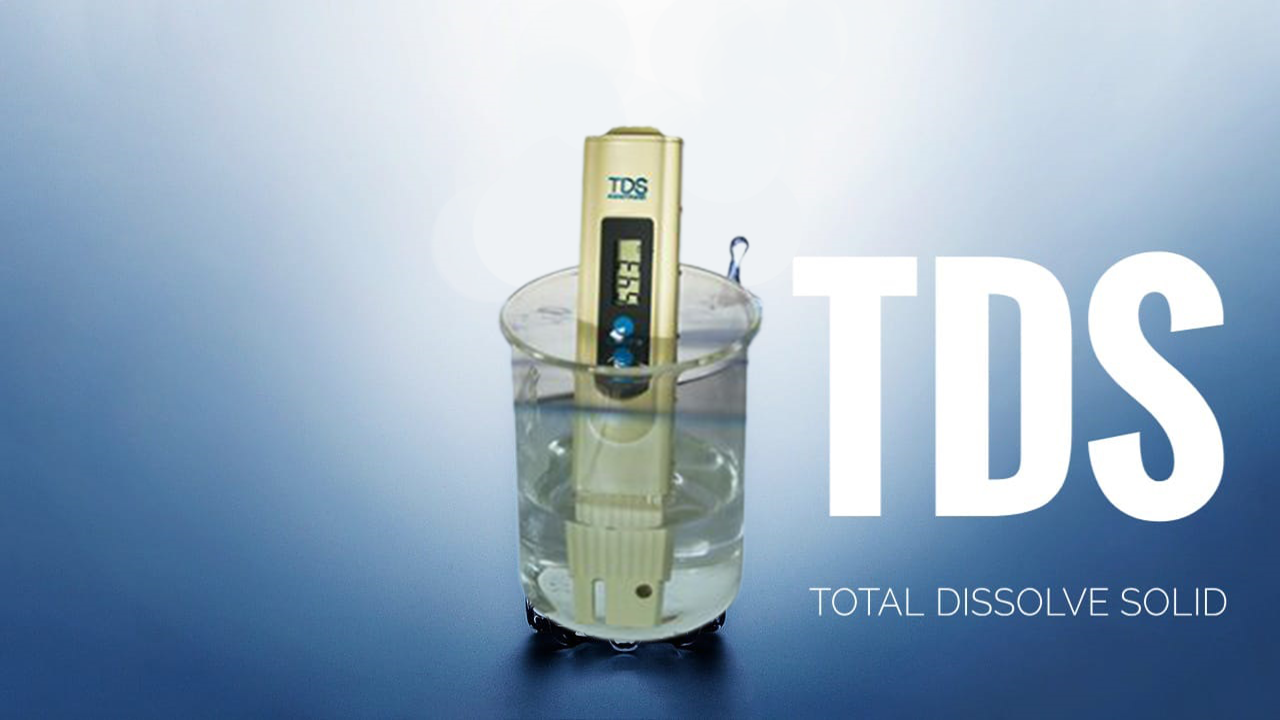 Understanding TDS in Water Filters: A Comprehensive Guide