Water purification information

Activated carbon filter

Views : 144109
Update time : 2022-01-14 14:27:00
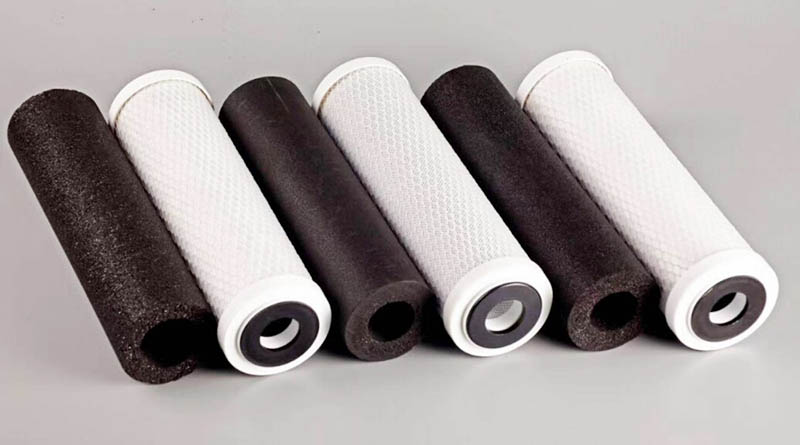
Activated carbon filter element is made of high-quality nutshell carbon and coal-based activated carbon, supplemented by food-grade adhesives, using high-tech technology and processed by special technology. It integrates adsorption, filtration, interception, and catalysis. It can effectively remove organic matter, residual chlorine and other radioactive substances in water, and has the effect of decolorization and odor removal. It is an ideal new generation product in the liquid and air purification industry. Type: white head sintered activated carbon filter, black head with skeleton sintered activated carbon filter, granular activated carbon filter.
The activated carbon filter element is made of granular activated carbon added with a binder and heated and sintered. The innermost layer of the filter element is a polypropylene skeleton, which is used to strengthen the pressure resistance of the filter element. The skeleton is covered with two layers of polypropylene microfiber felt, which can intercept the liquid passing through the carbon core and bring out particles larger than 10 microns. The outer layer of the carbon core is covered with two layers of polypropylene microfiber felt, which can intercept particles larger than 10-20 microns in the liquid, so that the filter element has dual functions of filtration and purification. The outermost layer is a white plastic mesh sleeve, which gives the filter element a complete appearance and a clean appearance. Both ends of the filter element are equipped with soft nitrile rubber end caps, so that the filter element has a good sealing performance after being loaded into the filter cartridge. The finished activated carbon filter elements are tightly wrapped with plastic film to prevent the filter element from being polluted and keep the filter element in a fresh state.
Activated carbon filter has good adsorption and can effectively remove residual chlorine, odor, color and organic matter in water.

Activated carbon filter method
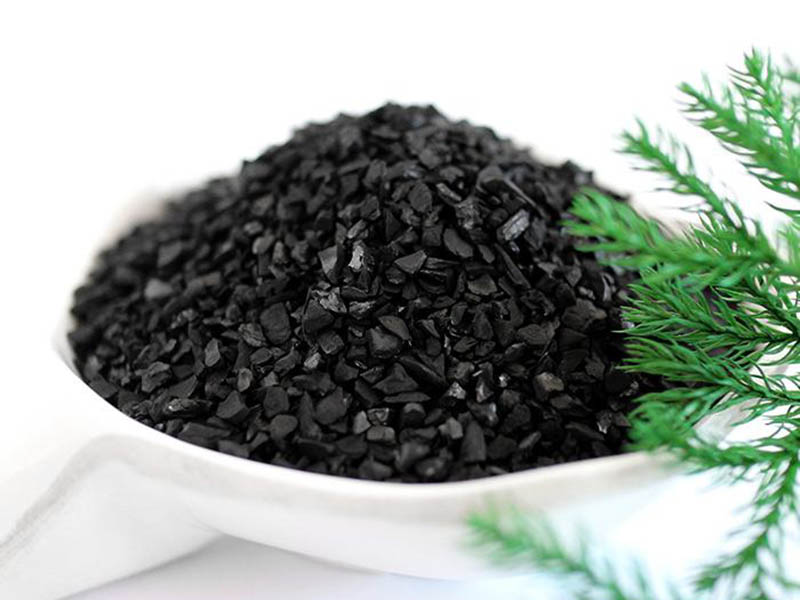
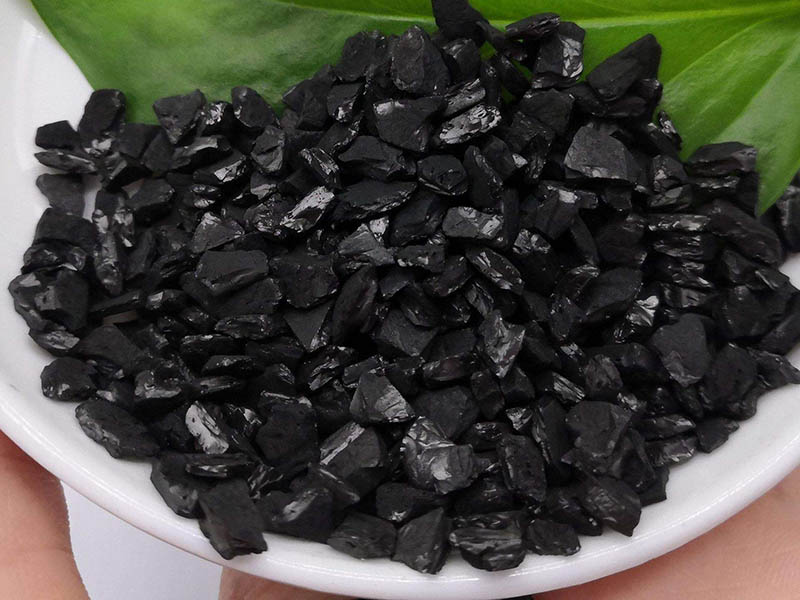
Activated carbon filtration, according to the adsorption characteristics of activated carbon, activated carbon is mainly used for removing pollutants in water, decolorizing, filtering and purifying liquid and gas, and also for air purification and waste gas recovery (such as the recovery of gas benzene in the chemical industry) , the recovery and refining of precious metals (such as the absorption of gold). Activated carbon is mainly made of substances with high carbon content, such as wood, coal, nut shells, bones, petroleum residues, etc. With coconut shell as the most commonly used raw material, under the same conditions, the active quality and other characteristics of coconut shell activity are the best, because it has the largest specific surface. Activated carbon is a kind of multi-pore carbon compound, which has a very rich pore structure and good adsorption characteristics. Its adsorption is formed by physical and chemical adsorption, and its appearance is black in color. In addition to the main carbon, its composition also contains a small amount of hydrogen, nitrogen and oxygen, and its structure resembles a hexagon. Features, each gram of activated carbon has a specific surface equivalent to 1,000 square meters.
Activated carbon use
Activated carbon filter cartridges are suitable for purification of process water and solutions in semiconductors, electronic devices, printed circuit boards, electroplating industry, food and beverage industry and other sectors.
Applicable to the following industries:
one. Electronics, electric power industry: pure water, gas, electrophoresis fluid, printing line plate, etc.
two. Chemical, petrochemical: solvents, coatings, magnetic pulp, detergents, liquid wax, etc.
three. Pharmaceutical and pharmaceutical industry: hospital water, pharmaceutical injections, Chinese liquids, etc.
Four. Food industry: food, beverages, drinking water, alcohol, etc.
Related News
Read More >>
How to analyze data changes before and after chemical cleaning of reverse osmosis systems to evaluate cleaning effectiveness? How to analyze data changes before and after chemical cleaning of reverse osmosis systems to evaluate cleaning effectiveness?
Dec .03.2025
Analyzing data before and after chemical cleaning is crucial for assessing cleaning effectiveness, identifying membrane fouling types, and guiding subsequent operations.
Applications of High Efficiency Reverse Osmosis (HERO) in Water Treatment Applications of High Efficiency Reverse Osmosis (HERO) in Water Treatment
Dec .02.2025
Briefly introducing some fundamental concepts of HERO---High Efficiency Reverse Osmosis  and its applications in the field of water treatment.
Introduction to Reverse Osmosis Water Treatment Equipment Introduction to Reverse Osmosis Water Treatment Equipment
Dec .01.2025
Introduction to Reverse Osmosis Water Treatment Equipment:working principle,the pretreatment system,maintenance,application fields.
Selecting Types and Flux for Reverse Osmosis Design in Pure Water Equipment Selecting Types and Flux for Reverse Osmosis Design in Pure Water Equipment
Dec .01.2025
Two common reverse osmosis membrane models are frequently used in reverse osmosis equipment: the 4040 reverse osmosis membrane and the 8040 reverse osmosis membrane