Correct operation and reasonable maintenance of large ultrapure water equipment is to ensure its normal operation of the premise. In general, many people in the use of large ultrapure water equipment for a period of time, may find that the water production equipment becomes slower, which is also a lot of customers are more puzzled by the problem. In this article, I will say a few words about the reasons for the slow production of large-scale ultrapure water equipment.
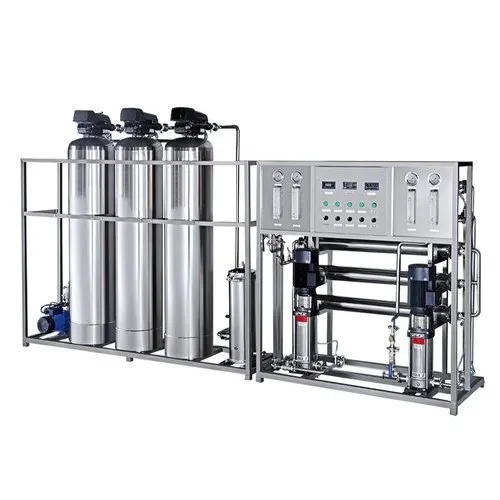
Large ultrapure water equipment slow water production for the following reasons:
1, membrane clogging
Pre-filter filter for a long time without changing, not cleaned up, resulting in the water quality inside the machine is far worse than the water quality before entering the machine. Raw water quality is poor, but the proportion of wastewater is small, resulting in wastewater solenoid valve or flushing valve blockage, and then not out of wastewater, or out of wastewater is very small, which leads to the clogging of the membrane, as well as large-scale ultrapure water equipment service life becomes shorter.
 2, transformer failure
Transformer failure, can not provide the voltage needed for normal pump pressurization, slow speed, increase the pressure is small, small pressurization, naturally not up to the pressure of tap water through the RO membrane required, this time the water is slow. The industry said, ruled out the pump factors, membrane factors and other factors affecting the slow production of water after the main factors, it is necessary to change a new transformer to try.
3, stop valve blockage
Sometimes the check valve will be clogged, although this situation is rare, but we can check when the check valve down to see the amount of water. If you take down and before the amount of water there is a significant change, it shows that the backstop valve is really blocked.
4, cartridge blockage
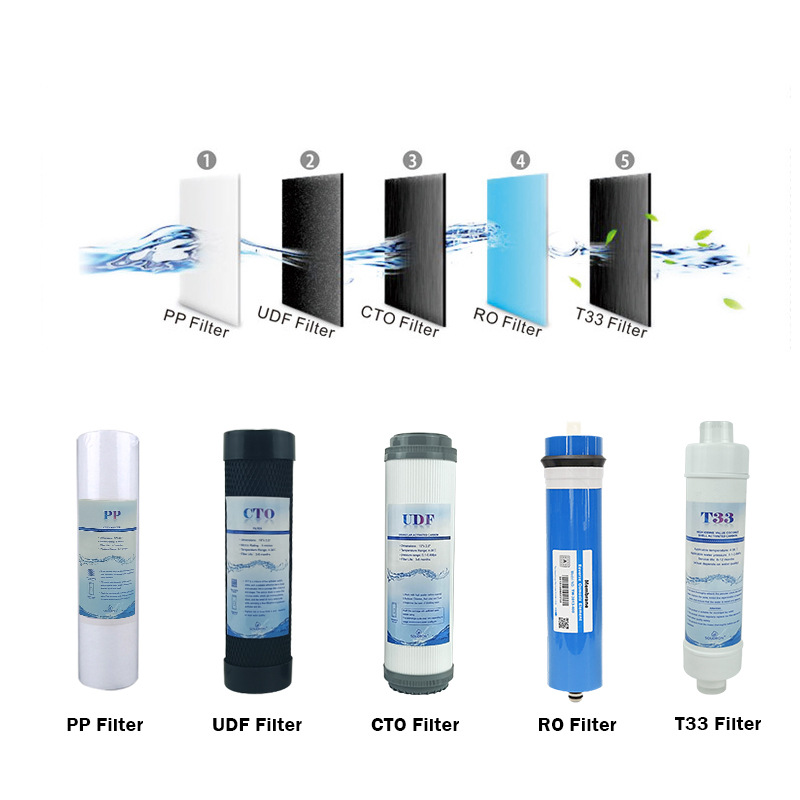
At present, the secondary pollution of tap water is becoming more and more serious, if you catch up with the maintenance of the pipeline, the cartridge can be said to be non-blocking. Industrial production if there is a lack of specialized maintenance, will rarely replace the cartridge, so the clogging situation is very common. Replacement of the cartridge to extend the life of the equipment is very important, should be arranged for regular maintenance, replacement, to ensure that it is unobstructed.
5, the pump pressurization is small, the pump loss of pressure
Pump pressurization is small, generally appear in the service life of more than two years of equipment, or long-term in the working state of the equipment. Pump pressure loss, generally not easy to find. The direct performance of the membrane is less water or the membrane does not produce water, often mistaken for the membrane blocked.
Large-scale ultrapure water equipment is the use of pretreatment, reverse osmosis technology, ultra-purification treatment and post-processing methods, the conductive medium in the water is almost completely removed, and the water will not be dissociated from the colloidal substances, gases and organics are removed to a very low degree of water treatment equipment.

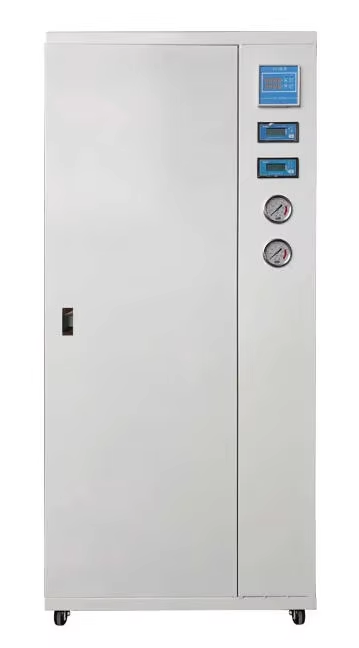 Analysis of the Structure and Working Principle of Ultrapure Water Equipment
 Tips for Using Home Water Purifier Filter Cartridges
 The Battle of Four Membranes: Microfiltration, Ultrafiltration, Nanofiltration, Reverse Osmosis—Which Reigns Supreme in Water Purification?
 Don't Pay for Stupidity! The Ultimate 2026 Water Purifier Guide: Selection, Pitfalls, and Maintenance All in One Article