Hello everyone, today Susan is here to answer some questions about water treatment equipment, hope it can help you.
Reverse osmosis ultrapure water equipment is a kind of equipment used to remove impurities and pollutants in water, but it is inevitable that it will encounter some problems in the course of its usual operation and use, so how should it solve these problems? The following are some common water purifier problems with corresponding solutions:
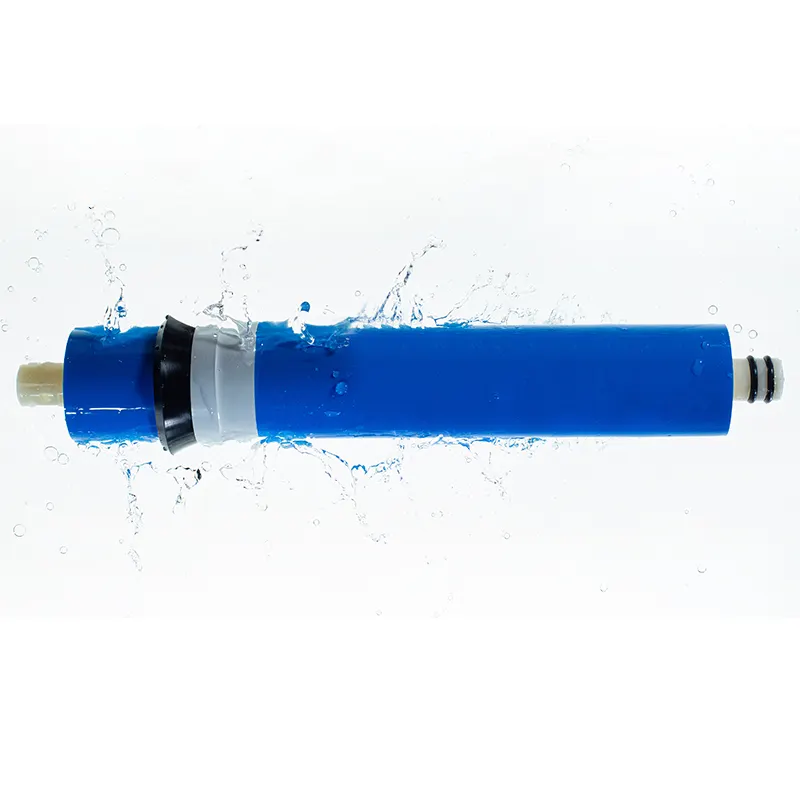 Impure water:
 If the water quality of your reverse osmosis ultrapure water equipment does not meet the expected requirements, you need to check whether the incoming water source is pure. If there is a problem with the water source, it will affect the effect of the water dispenser.
►The solution is to ensure that the quality of the feed water source is good.
Low water production: Sometimes the hourly water production of the water purifier may be insufficient. This may be the device's cartridge is blocked or insufficient water pressure, which requires
►timely cleaning or replacement of the cartridge or increase water pressure.
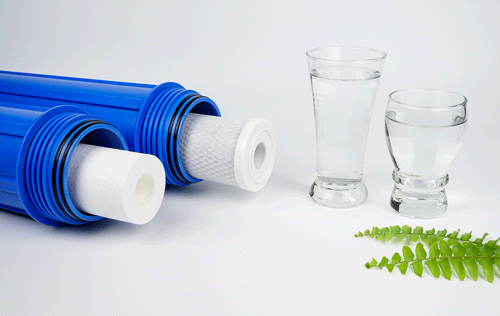 Leakage problem:
 If you find that the device has a leakage problem, you need to check whether the piping connections are tight and whether the water storage tank is cracked or damaged.
►The solution is to fix the leaks and make sure the connections are strong.
Low water temperature: some water purifiers have a hot water feature, so if you find that the water is not hot enough, the heating element may be malfunctioning.
►It will be necessary to contact the manufacturer or a unit repair person to have the heating element fixed.
Noise problems: water purifiers may make noise when operating, usually caused by problems with the pump or pressure regulator.
►Check these parts and have them repaired or replaced.
System won't start: If your reverse osmosis ultrapure water unit won't start, check that the power supply is connected properly, that the switch is on, and that the circuitry is not faulty.
► If the problem persists, contact maintenance for diagnosis and repair.
 Leak Detection:
 Some water purifiers are equipped with a leak detection feature that stops operation when a leak is detected. If the system stops working and a leak alarm appears,
►check the leak sensor, clean or replace it and restart the system.
Reverse osmosis ultrapure water equipment is an important equipment to keep the laboratory water quality pure, regular maintenance can ensure that it continues to operate efficiently, if you are not sure how to solve the problem, it is recommended to seek help from professional maintenance personnel.
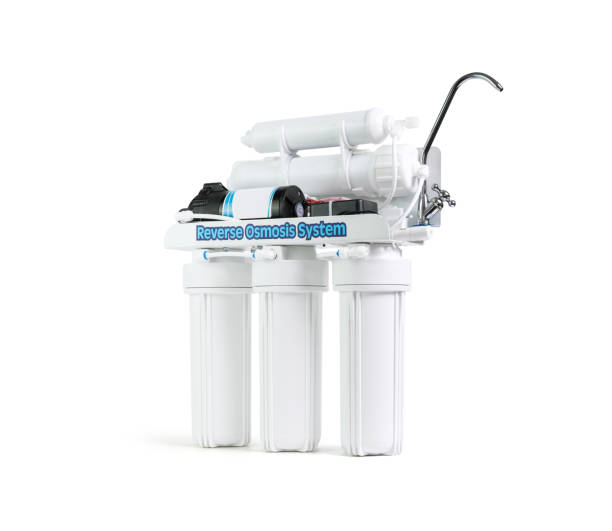
The above is my answer to some questions about water equipment, I hope it can help you. If you have any other questions about water treatment, feel free to leave them in the comments section and I'll do my best to respond. If you find my article useful, please also give x want to tune in for more water treatment knowledge please contact me. Thank you for reading and have a nice life!

 Is your tap water cloudy with sediment or rust? Here's how to choose a pre-filter that lasts, stays unclogged, and saves you hassle.
 Water Purifier Pitfalls to Avoid: Plug-in vs. Plug-free Models Understand These Key Points to Choose Right for Your Home Without Wasting Money
 How to Choose Water Filter Cartridges? Material, Lifespan, Cost: A 3-Dimensional Comparison to Help Beginners Avoid Pitfalls
 Avoid Pitfalls|Don't Blindly Chase “Fine” in Home Water Filters! Choosing the Wrong Filtration Precision Means Wasting Money on Consumables