Hello everyone, today we are going to talk about the difference between high pressure reverse osmosis membrane and low pressure reverse osmosis membrane. These two membranes have a wide range of applications in water purification, but it is important for the average consumer to understand the difference between them.
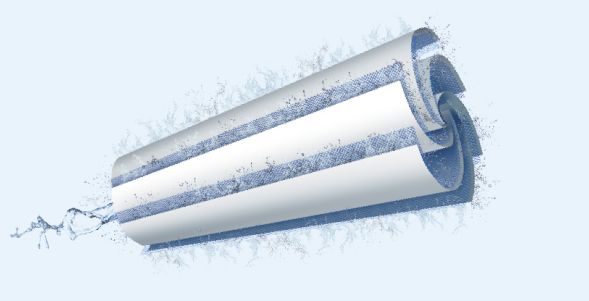
First of all, let us understand what is reverse osmosis membrane. Reverse osmosis membrane is a kind of filtration membrane, which can filter out the impurities and harmful substances in the water and provide pure drinking water. While high pressure reverse osmosis membranes and low pressure reverse osmosis membranes are differentiated based on the working pressure.
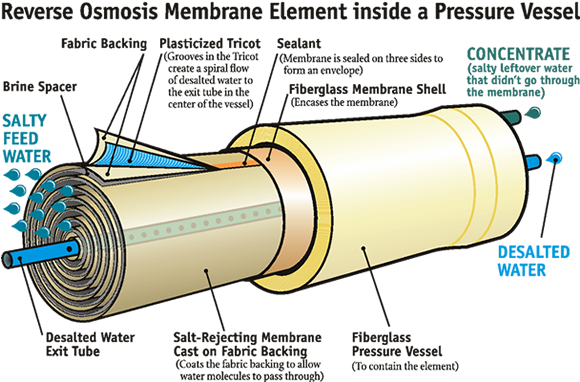
So, what exactly is the difference between high pressure reverse osmosis membrane and low pressure reverse osmosis membrane?
First of all, high-pressure reverse osmosis membranes require a higher working pressure and therefore need to be equipped with a high-pressure pump. Low-pressure reverse osmosis membrane does not need a high-pressure pump, so it is more energy-saving and environmentally friendly.
Secondly, the filtration efficiency of high pressure reverse osmosis membrane is higher, which can better remove impurities and harmful substances in water. However, the maintenance cost of high pressure reverse osmosis membranes is also relatively high, as the filter element needs to be replaced and the filter screen cleaned regularly.
Low-pressure reverse osmosis membranes, on the other hand, have a relatively low filtration efficiency, but also have relatively low maintenance costs. Meanwhile, low-pressure reverse osmosis membranes are more suitable for home use because they do not require high-pressure pumps and large equipment.
In addition, there are differences in filtration effectiveness between high-pressure reverse osmosis membranes and low-pressure reverse osmosis membranes. High-pressure reverse osmosis membranes are able to filter out smaller impurities and harmful substances, while low-pressure reverse osmosis membranes mainly filter out large particles of impurities and harmful substances.
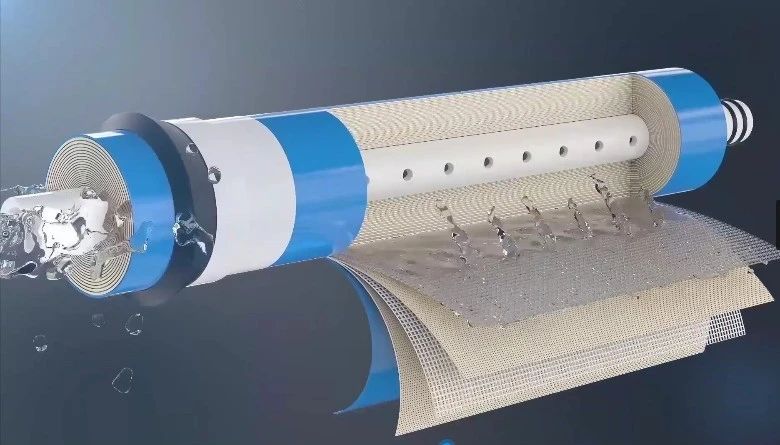
In conclusion, both high-pressure reverse osmosis membranes and low-pressure reverse osmosis membranes have a wide range of applications in the field of water purification. For ordinary consumers, it is very important to understand the difference between them. For more information about the applications of these two reverse osmosis membranes please see our other articles. When choosing a water purifier, you can choose the right product for your needs and budget.

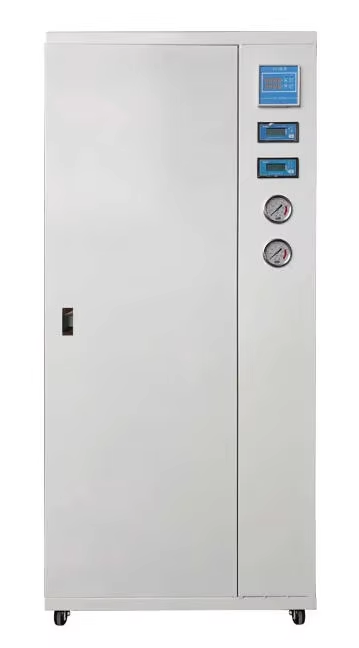 Analysis of the Structure and Working Principle of Ultrapure Water Equipment
 Tips for Using Home Water Purifier Filter Cartridges
 The Battle of Four Membranes: Microfiltration, Ultrafiltration, Nanofiltration, Reverse Osmosis—Which Reigns Supreme in Water Purification?
 Don't Pay for Stupidity! The Ultimate 2026 Water Purifier Guide: Selection, Pitfalls, and Maintenance All in One Article